Rambler Society

Let me start off this piece by saying I don’t really know what it’s about or where it might go, but I thought it would be fun to try and write a diary entry before knowing what it’s actually going to be about. And because the piece will be a bit random, so will the images I have chosen to go with it.
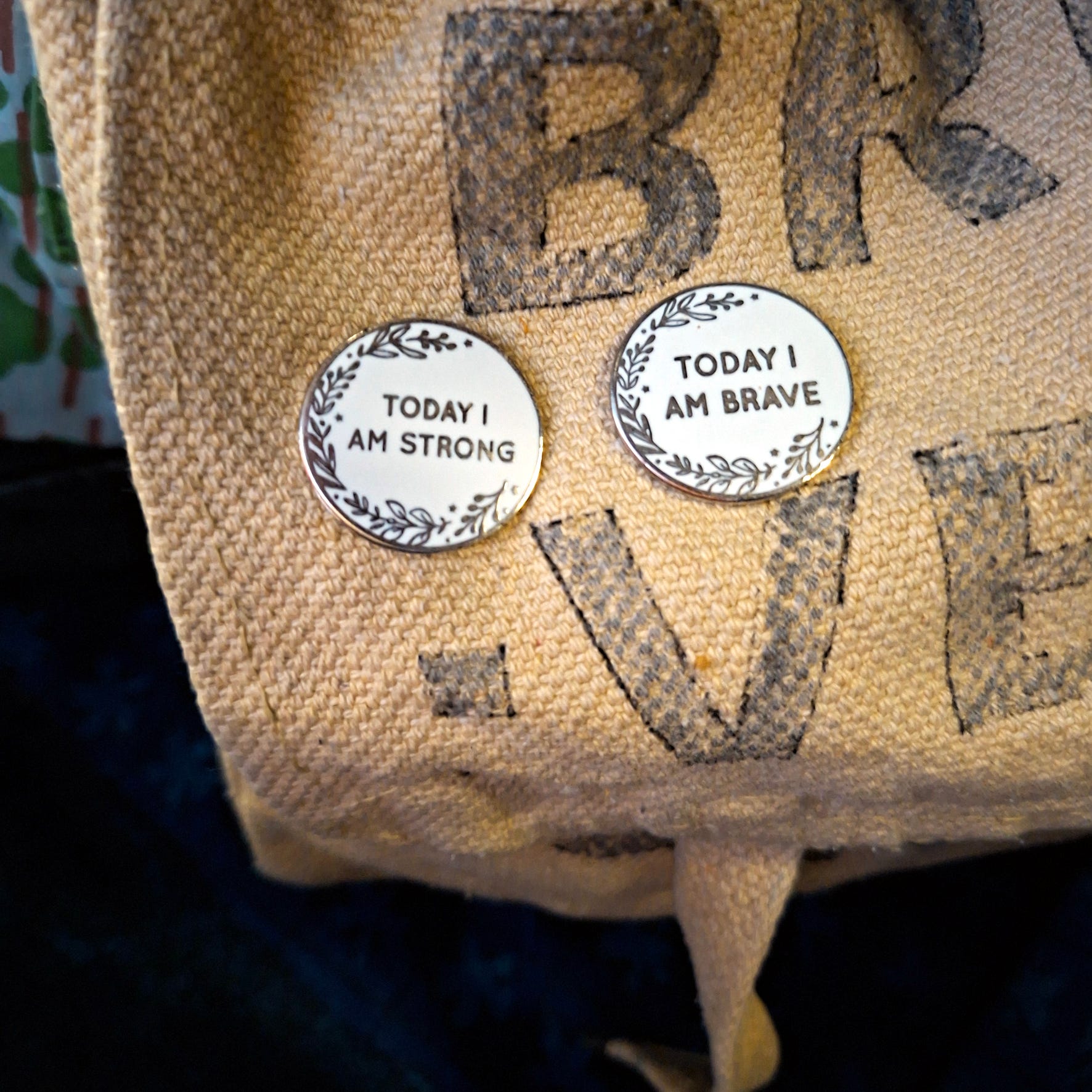
Waking up this morning, there are two loose thoughts knocking on the cages of my brain to be let out. First is the indefinable black bag driver that pushes me to write poetic expression and it’s antithetical stance on authoritarianism, the second is a string of ideas gathered from Stanislaw Lem’s novel Fiasco about the limitations of human perspective and the impossible things we can see through the mathematical window of physics, beginning with the quotation, ‘Physics, my friend, is a narrow path drawn across a gulf that the human imagination cannot grasp. It is a set of answers to certain questions that we put to the world, and the world supplies the answers on the condition that we will not then ask it other questions, questions shouted out by common sense. And common sense? It is that understood by an intelligence that uses senses no different from those of a baboon’ (all subsequent text picked out in quotation marks is also from Lem’s novel).

Now to the half manic scribbles I managed to put down in my jotter whilst riding the Severn bore flow of semi-consciousness that a good cup of Joe causes me to ride after waking, which are included here verbatim and ordered by numbers 1 to 3.
1. what I want to grapple with is the idea of dynamic life, that we are capable of fluidity and difference, even if we deny or resist it . This being the case, it is hard to know someone by referring only to ourselves when we are just as capable of change, illustrated by the statement that the only way to be right about something is by recovering from error. The only way to know a little about who you are is by understanding who you have been. The only way to know you’re right about something is in discovering you were wrong.
2. Because I am a writer of poetry without being a student of it, you may reasonably ask by what standard I claim the title of poet. Not by yours, not by that of the school curriculum, not by that of Leeds university professor (now poet laureate) Simon Armitage, but by something ‘occulted’ by our status as ‘sapient apes’. For me, poems come from ‘the place without dimension,’ the equivalent of what astrophysics calls a ‘singularity.’
When I feel I have written well, it feels like the elation of passing an exam for which I have had to guess the questions. It involves centring myself on a vibration, if you will. A synthesis with an impossible tuning fork, the antithesis of which is the need to be right so as to declare somebody else to wrong. Or in the arguably worse context of religion, the obligation put upon individuals to do so by God which leads people to render judgement upon others in the guise of irresponsible and careless messengers.
My position of viewing the world through this lens of poetic expression does not preclude wisdom in the form of relevant experience by which others may benefit, but it does dissuade me from ordering people about. It’s a way to bear the limitations I share with Lem’s baboon without subjugating the autonomy of others.
A place from which combat is still necessary, but the things we fight against and the weapons we select are radically different from the tools of hegemonic imperialism.
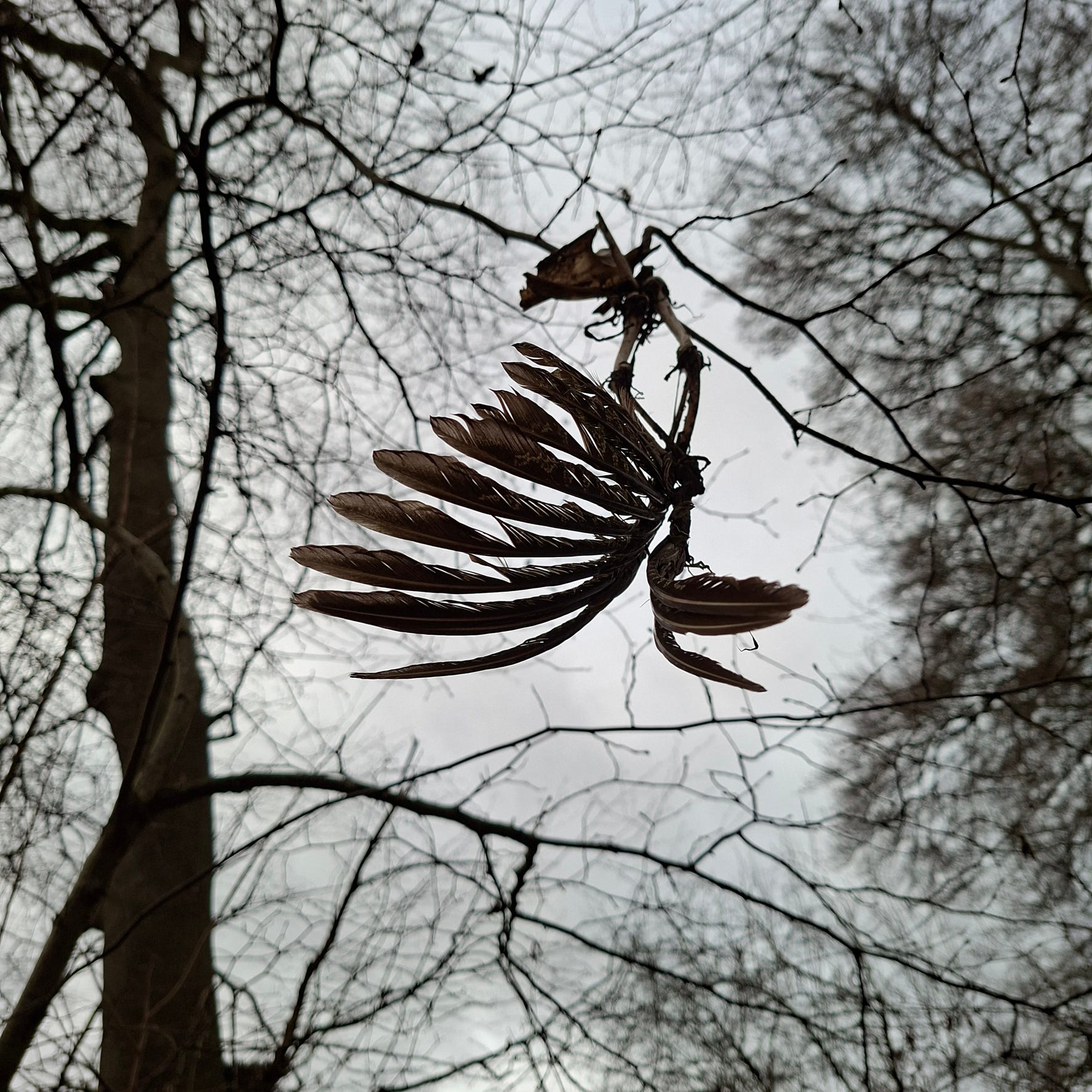
3. Make a joke about who or what will be ‘first against the wall when the revolution comes’. Perhaps a ladder, to hang more art or paint bigger graffiti.
And to cap off this concoction of thoughts that I can’t be bothered to turn into a more coherent essay, here is a prose poem I wrote yesterday. One which has been waiting in the wings for over a year. It’s called ‘Dull Necessity’ and for the record, I think I absolutely fucking nailed this one.
Dull Necessity
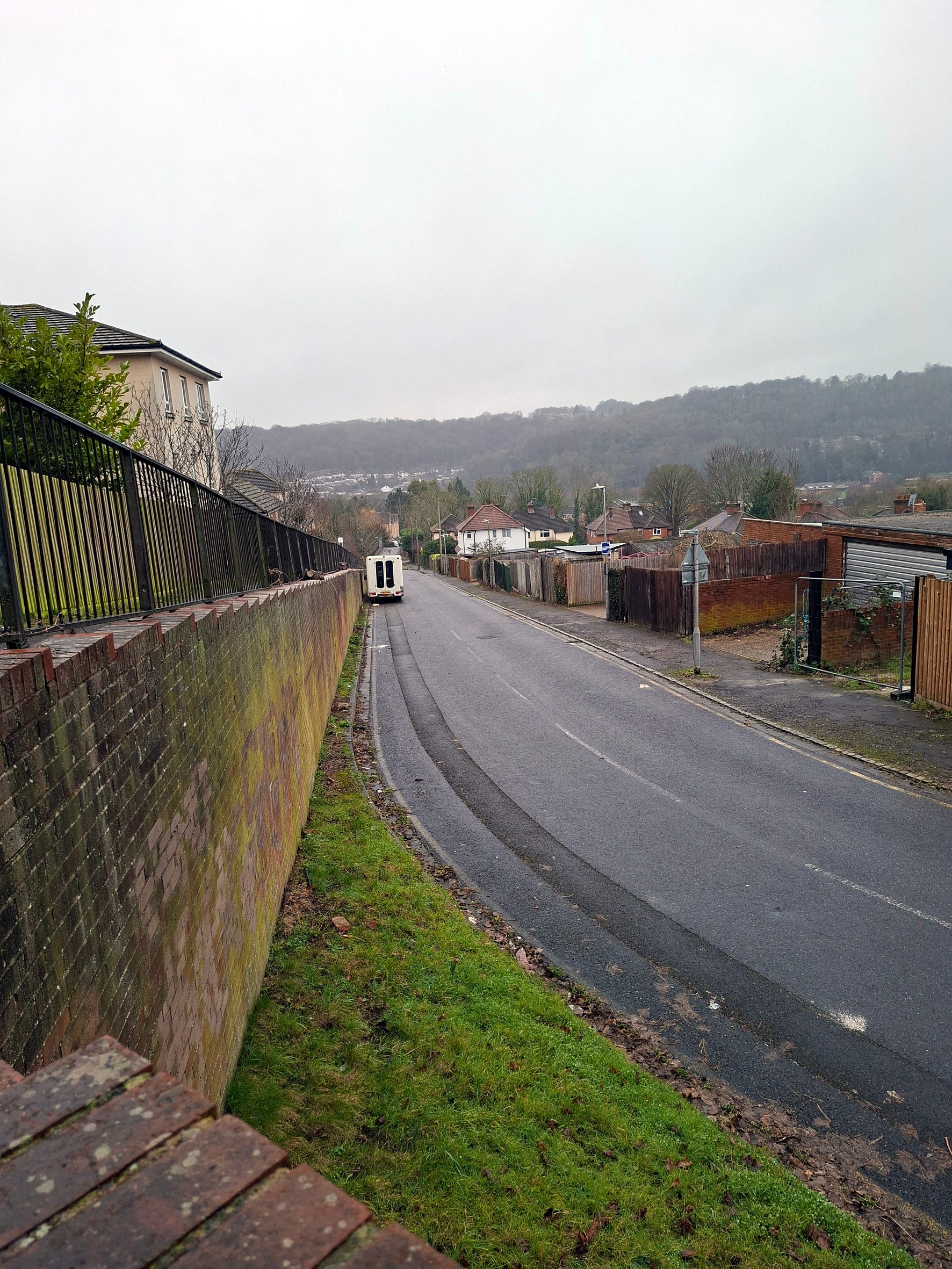
A place I want to describe for you is so completely unremarkable it’ll probably be quite dull, but bear with. An anonymous back street in a no-man’s land between urban districts, just a little too steep and too far out of the way to be a rat run. On one side, above a curtain of red brick and curb stones, a path behind railings raised 2 meters above the tarmac. On the other, a pavement running down past nothing but garage doors and fence panels bordering the long gardens that fall away so sharply the chimneys of the houses can’t even be seen from the high side of the road.
I’ve walked here on many occasions, in all weathers and all times of day and night. One time in ten, I might pass somebody on the elevated path. One time in twenty I might see a car drive down (but never up). There’s never any rubbish here because there’s no one to drop it, and even the plants that grow are indistinct, weed trees and a clump of comfry, scraps of field madder dotted about and tufts of grass with nowhere to go.
At the lower far end before the turning where the train bridge brings all the traffic in and out of the housing estate, the high path ramps down to streel level and there’s usually two or three vehicles parked there, but that’s all. The rest is strangely empty for a car choked commuter belt town in easy reach of two motorways, Heathrow and the capital.
What I’m trying to say is that nobody ever comes here, nobody passes through, nobody parks up. Never a smashed magnum bottle, never a bunch of litter from the nearest halal chicken shop, never a tell-tale scattering of gas canisters and discarded balloons.
Except that one time in the night, half way up the hill, looking over the railing and down below the level of my feet, a solitary SUV with engine cut and and headlights off. Just the low light of the dashboard inside, dimly illuminating the interior through the sun roof and passenger window. I see brown skin and black hair, headscarves and saris. Two women, just talking in the darkness of this featureless neglected space, and I wonder is this about privacy, or safety. Or both.